
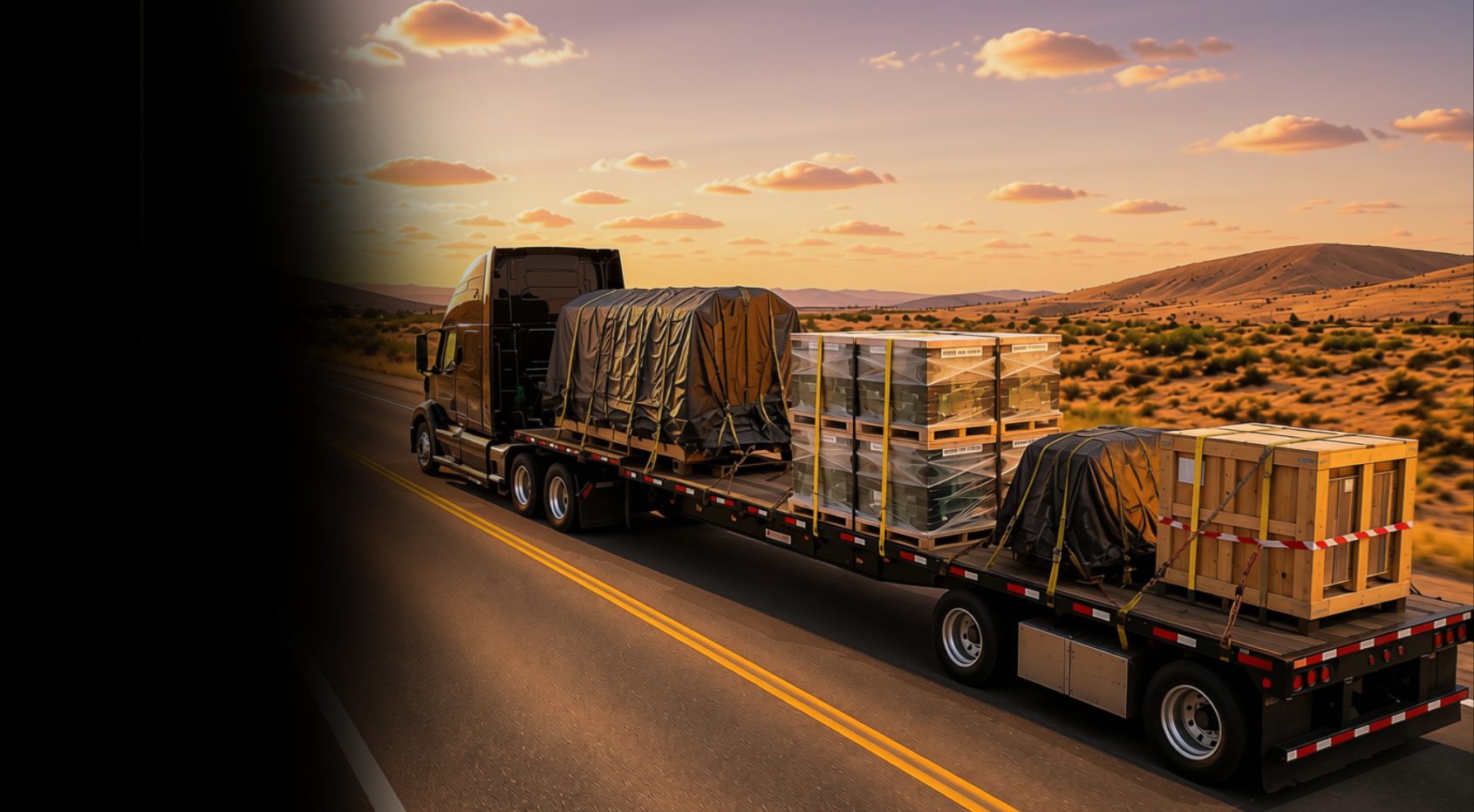
PARTIAL TRUCKLOAD SHIPPING
The Right Fit Between
Full Truckload and LTL
When your shipment is too large for LTL but doesn't require a full trailer, PTL gives you the space you need without paying for capacity you don't use.
REQUEST A QUOTEFTL VS. PTL VS. LTL
Choosing the Right Freight Solution
The best shipping option depends on how much space your freight needs, how quickly it needs to move, and how much flexibility you want.
Full Truckload
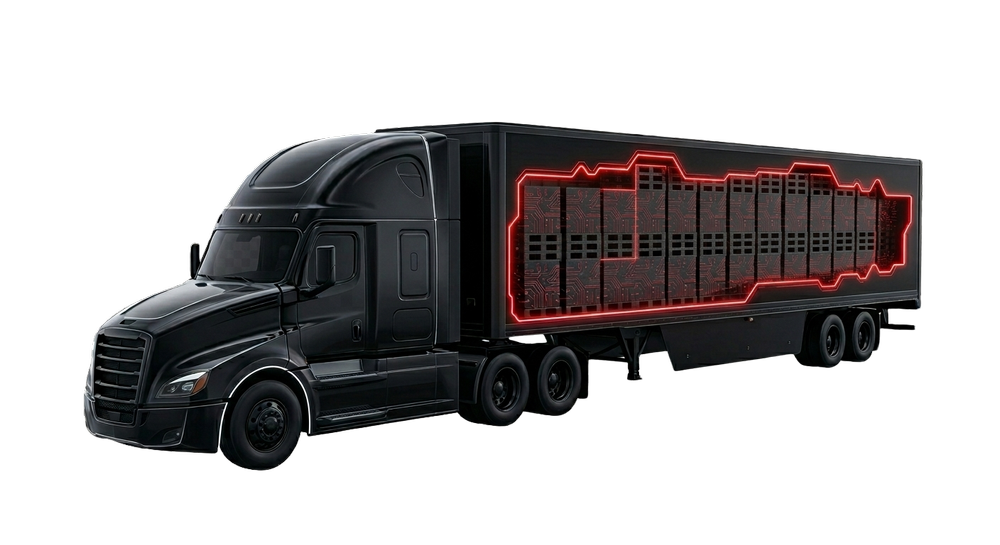
One shipment. One trailer.
Your freight uses the full trailer, giving you dedicated capacity, fewer stops, and faster transit.
Learn More About Full Truckload Shipping
See when dedicated trailer capacity makes the most sense.
EXPLORE FTL →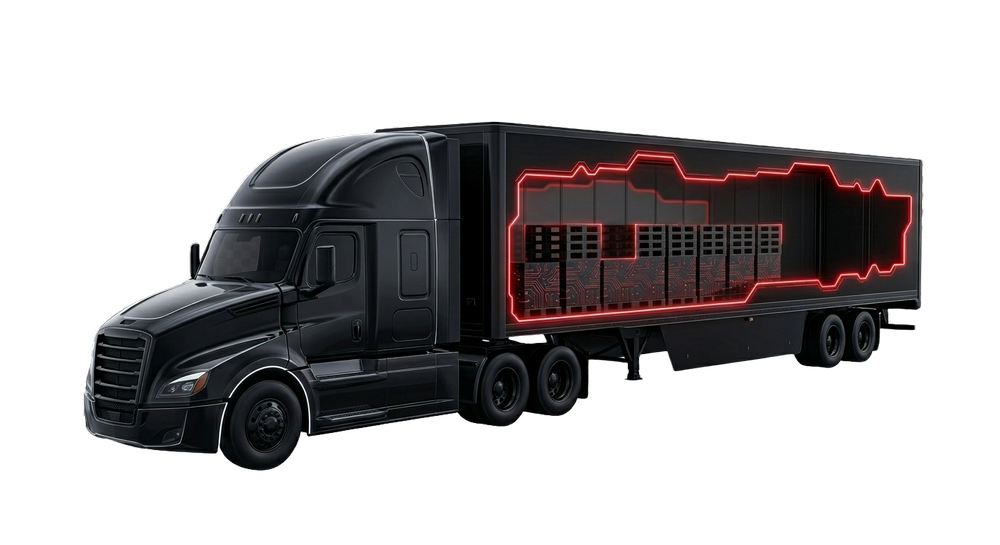
Partial Truckload
Share the trailer. Keep the speed.
Your freight uses part of a trailer while sharing space with other shipments, balancing cost and transit time.
Less-Than-Truckload
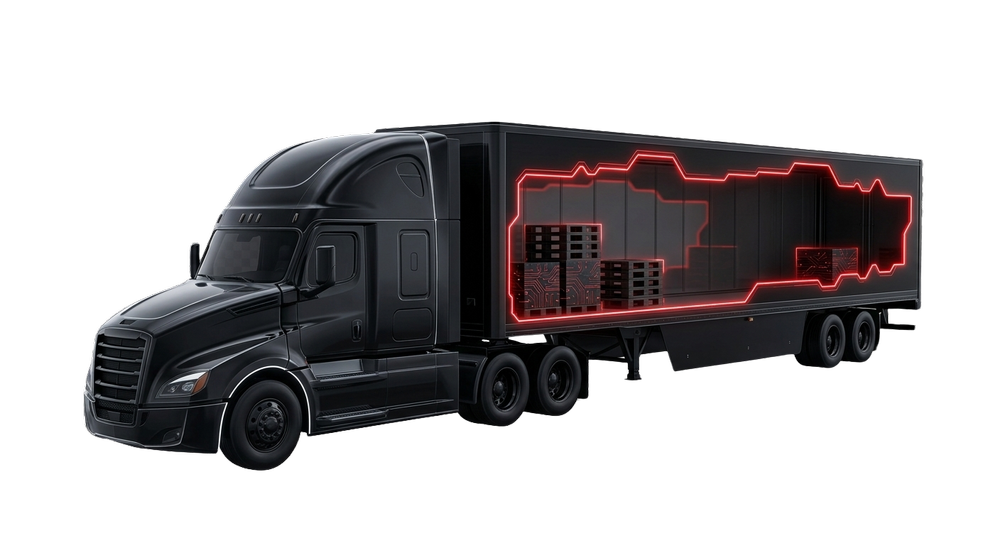
Pay only for the space you need.
Your freight shares trailer space with multiple shipments, making LTL a flexible option for smaller loads.
Learn More About LTL Shipping
See when shared trailer space is the better fit.
EXPLORE LTL →
PARTIAL TRUCKLOAD SHIPPING
What Shippers Should Know About Partial Truckload
PTL works differently than standard LTL. Here are four things worth knowing before you choose it.
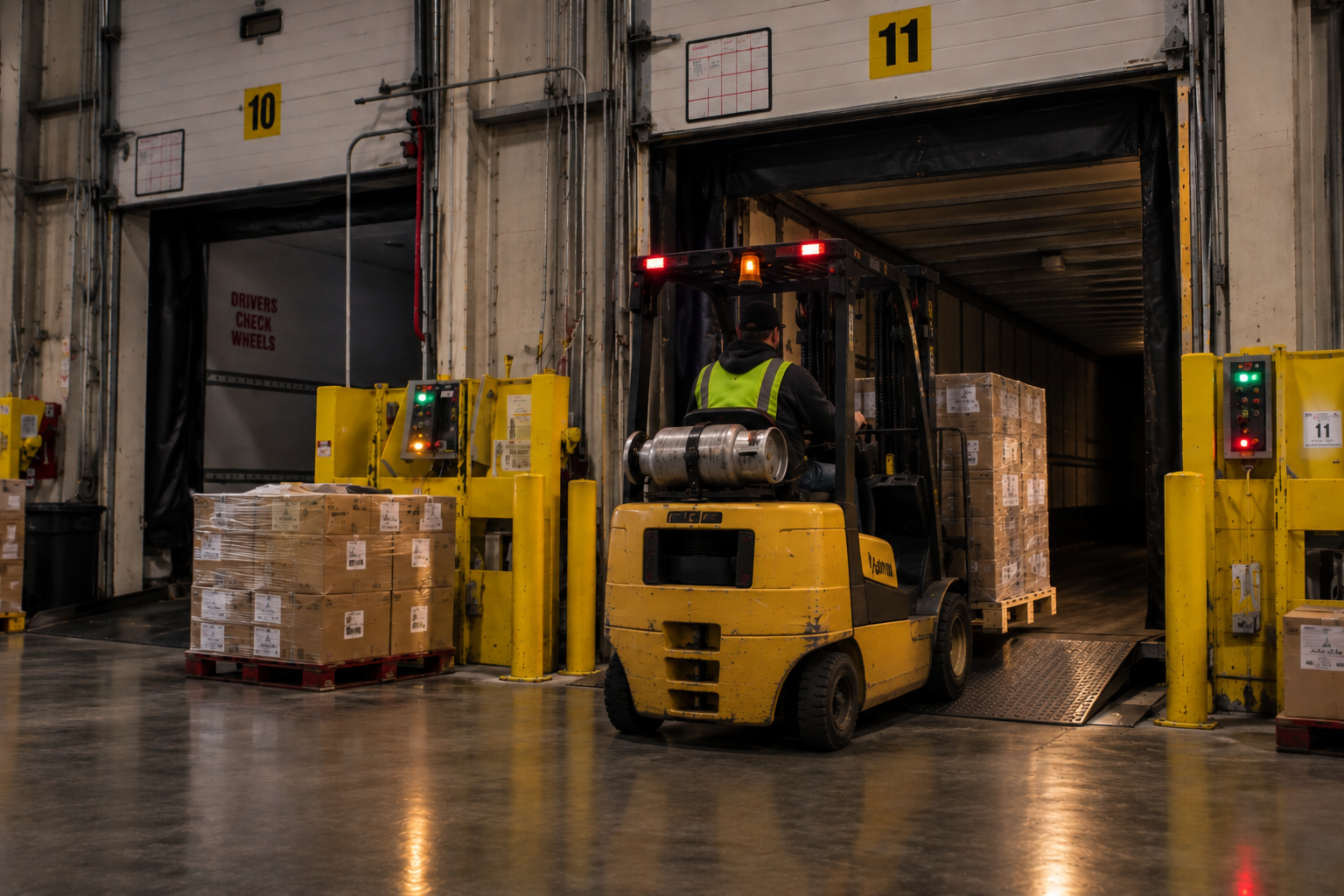
Less Handling
Fewer transfers can mean less handling risk for larger freight.
Built for Partial Loads
A strong fit when LTL is too small but a full trailer is unnecessary.
Different Pricing
Rates may depend more on space, weight, distance, and market conditions.
More Direct Transit
Fewer terminal transfers can help keep freight moving.
READY TO SHIP?
Find the Right Solution for Your Shipment
Every shipment is different. Share your freight details and our team will help determine the best transportation option for your timeline, capacity, and budget.